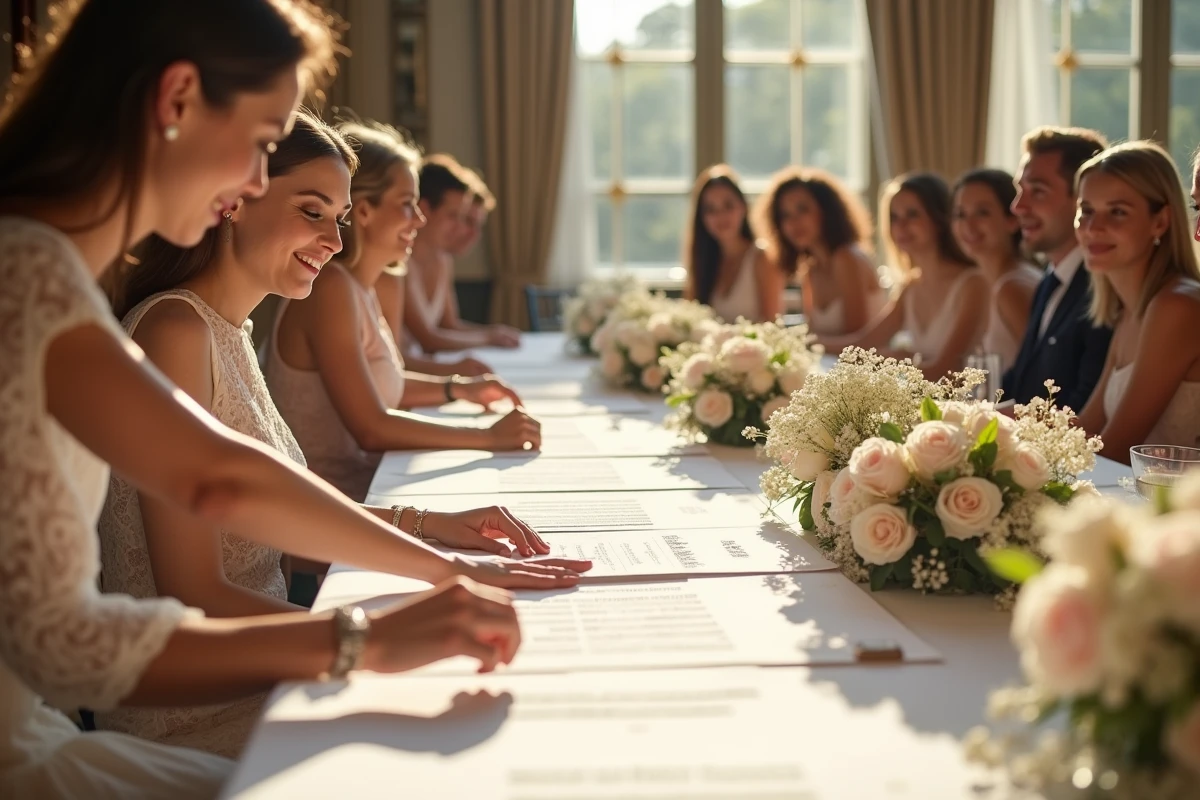
An unbalanced seating arrangement can turn a festive dinner into a real logistical headache. Even with just forty guests, some unexpected pairings can cause friction, while others, more subtle, create unsuspected harmonies.
A seating plan is never just a simple list of names. Space constraints, family dynamics, and individual expectations systematically come into play. Adapting the layout to the specifics of each group ensures a smooth flow and memorable experiences.
Successfully arranging your tables: understanding the stakes of a seating plan for 40 guests
Creating a wedding seating plan for 40 people requires much more attention than it seems. Nothing is left to chance. It all starts with the room configuration: round or rectangular tables, layout of spaces, smooth circulation… Every detail plays a role. The head table deserves a prime location, both visible and easily accessible, without dominating the rest of the room. All around, the guest tables create this unique relational map of your wedding.
The key? Finding the right distance. Crowding the tables risks stifling conversations and hindering service. Spacing them too far apart loses the collective warmth that makes the day magical. Opt for a fan or U-shaped arrangement if space allows: everyone then enjoys an unobstructed view of the dance floor or the highlights of the meal. Round tables encourage discussion, while rectangular models clearly organize large family gatherings.
The reception experience plays out in this geography of attention and connection: placing close friends near the dance floor, grouping families according to their affinities, seating the elderly away from the speakers. A wedding seating plan for 40 people that works is a subtle balance between the venue’s topography and the relationships among guests. Thinking about the table space is orchestrating comfort, fluidity, and conviviality, while leaving room for surprise.
What criteria should be prioritized for a harmonious and friendly placement?
To design a seating plan that holds up, you must consider the personalities, shared histories, and desires of your guests. A few guidelines can facilitate the organization:
- gather long-time friends,
- group family members together,
- seat colleagues at the same table.
A thoughtful placement avoids polite conversations and awkward silences. Exchanges happen more naturally, and the atmosphere settles in.
For 40 guests, finding the right balance between assigned seating and flexibility often makes the difference. A name on each plate limits confusion while ensuring everyone’s comfort. Children thrive at a dedicated table, enhanced with fun activities. Elderly guests appreciate being seated away from high-traffic areas and loud volumes.
Here are some levers to activate for personalized placement:
- Mix generations without imposing encounters, for a lively yet natural dynamic.
- Build on existing affinities, while introducing one or two discreet newcomers.
- Consider special needs: reduced mobility, dietary restrictions, easy access to exits.
The shape of round or rectangular tables influences the flow of conversation and the ambiance. The former promote equality, while the latter structure discussions. Each arrangement has its advantages: adapt the layout to the room and the profile of your groups. Every detail matters, from the choice of tables to the assigned seats, so that each guest feels in their rightful place and the reception takes on a unique color.
Creative and personalized ideas for a truly unique wedding seating plan
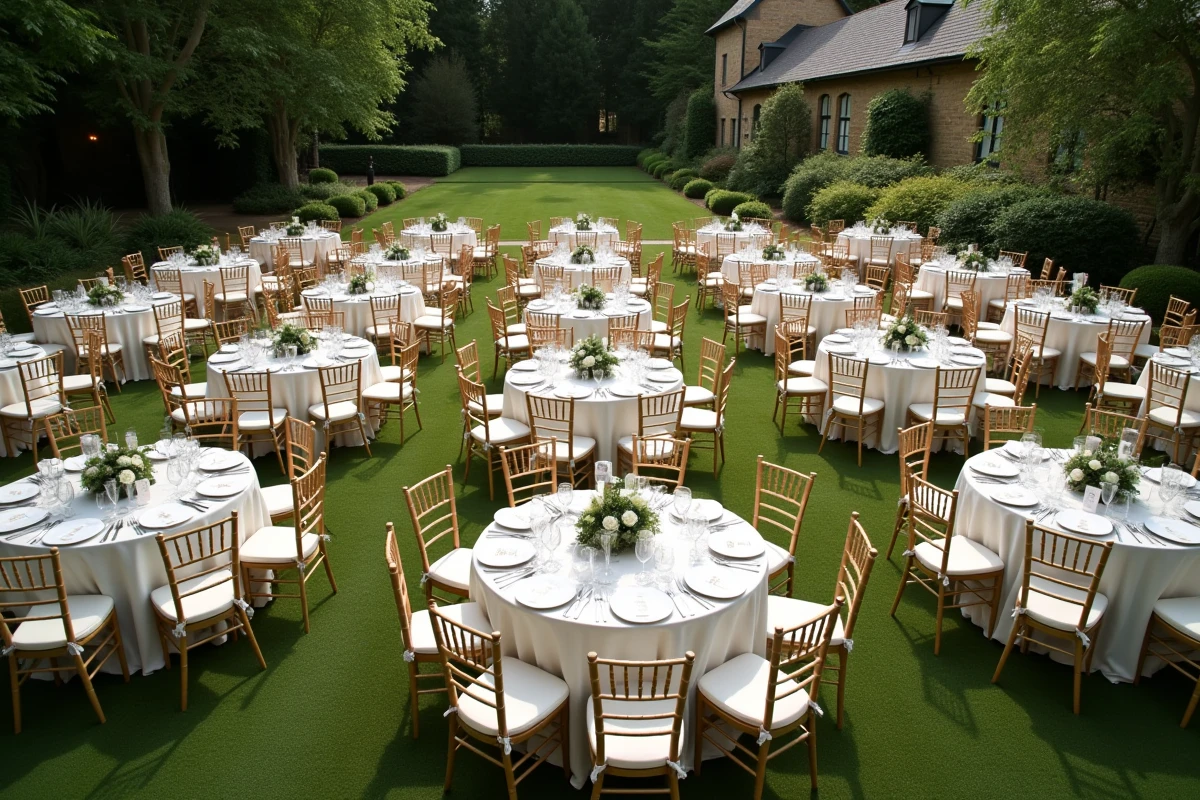
There’s nothing to stop you from stepping off the beaten path for a wedding seating plan that reflects you. Prioritize the finesse of detail, the texture of materials, the emotion of the gesture. Escort cards placed at the entrance of the room signal the welcome: textured paper, careful calligraphy, dried botanical elements, or engraved pebbles. Each place card becomes a promise, a thoughtful gesture.
For a refined wedding table decoration, combine aesthetics and utility: mini gilded frames, personalized olive oil bottles, wooden tags… Lovers of original seating plans dare to present artistic displays, hanging branches, chalkboard panels, sculpted floral compositions. Eyes linger, curiosity awakens, and everyone feels awaited and considered.
The wedding head table stands out as the heart of the setup, enhanced by a centerpiece of greenery or carefully chosen candle holders. The idea: to highlight the couple without cutting them off from the rest of the room. For a rustic or romantic atmosphere, favor linen, foliage, and fresh flowers: a soft harmony, never overdone.
The guest gift placed at each seat extends this attention to detail. A bar of artisanal chocolate, a vial of perfume, a personalized notebook: a simple, sincere gesture that leaves a mark. With this seating plan thoughtfully designed down to the last detail, the spirit of the celebration shines through and leaves a lasting impression. A well-orchestrated placement is remembered far longer than a menu. When organization and attention come together, the celebration lasts well beyond the night.