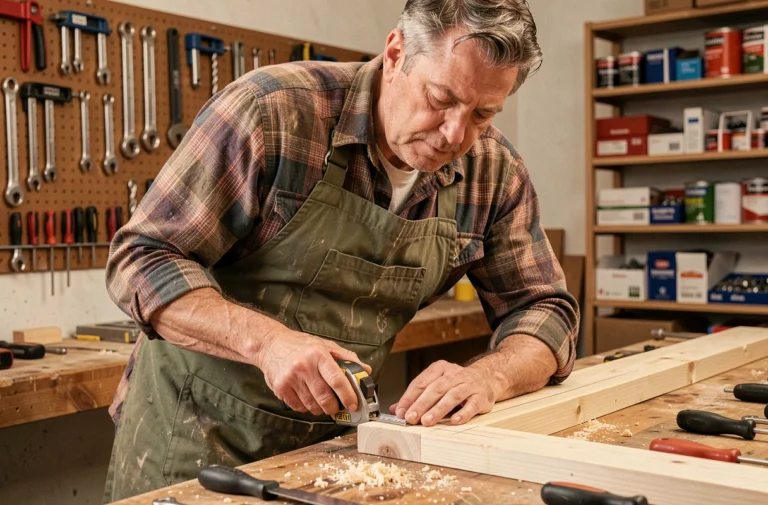
A poorly adapted sports equipment not only hinders progress but also alters the biomechanics of each movement. Choosing the best sports equipment to optimize your performance requires understanding some technical parameters often overlooked in mainstream guides.
Running Shoes: Why Recommendations by Foot Strike Type Are Not Enough
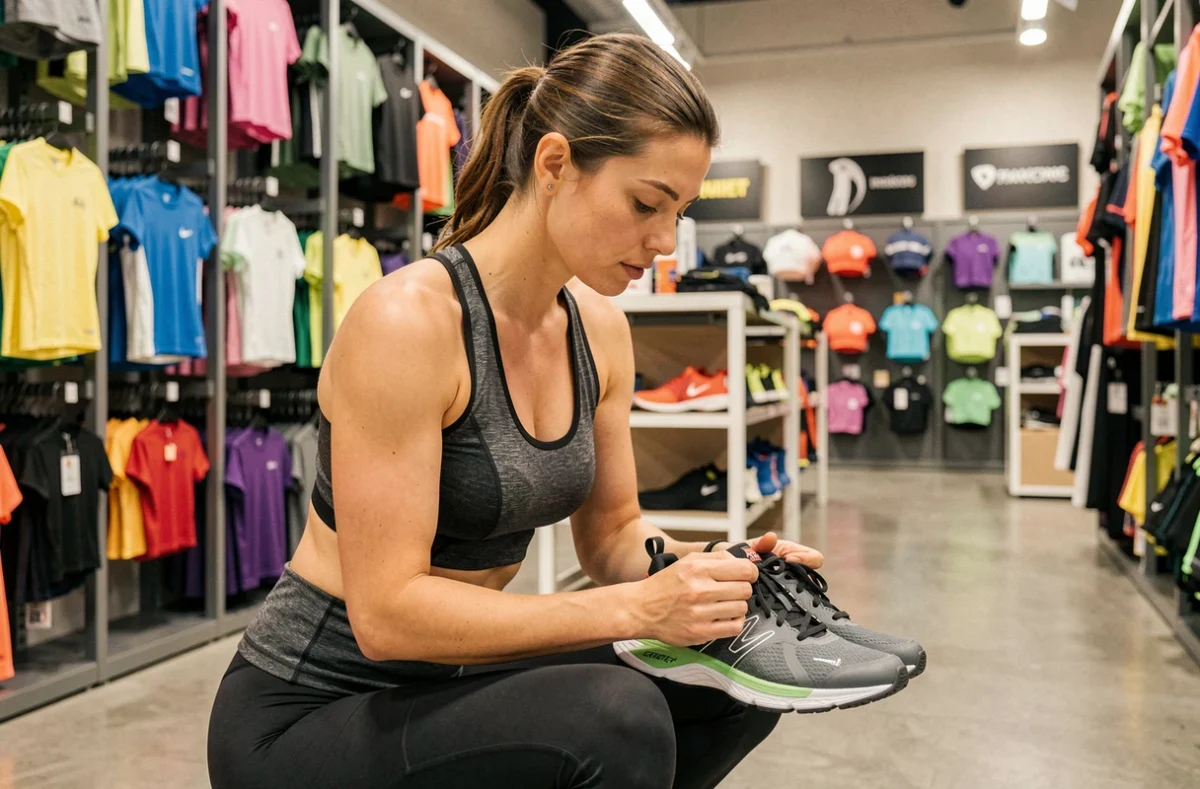
The prescription of a shoe based on pronation, cushioning, or drop remains a common reflex in stores. A recent scientific synthesis concludes that it is premature to prescribe a type of shoe based on solid scientific grounds. No isolated technical characteristic (pronation control, high resilience foam, carbon plate) allows for a universal recommendation.
We recommend prioritizing the comfort felt during a dynamic trial rather than following a marketing positioning. The weight of the shoe, the width of the toe-box, and the rigidity of the sole matter more than the category displayed on the label. A runner who accumulates volume in training will benefit from alternating two pairs to vary the mechanical stresses on the foot and the Achilles tendon.
The choice of technical socks suited to the sport practiced reduces friction much more effectively than additional cushioning. Exploring equipment on Az Sport allows for a quick comparison of available ranges by discipline and level of practice.
Compression Clothing and Recovery: Separating Marketing from Evidence
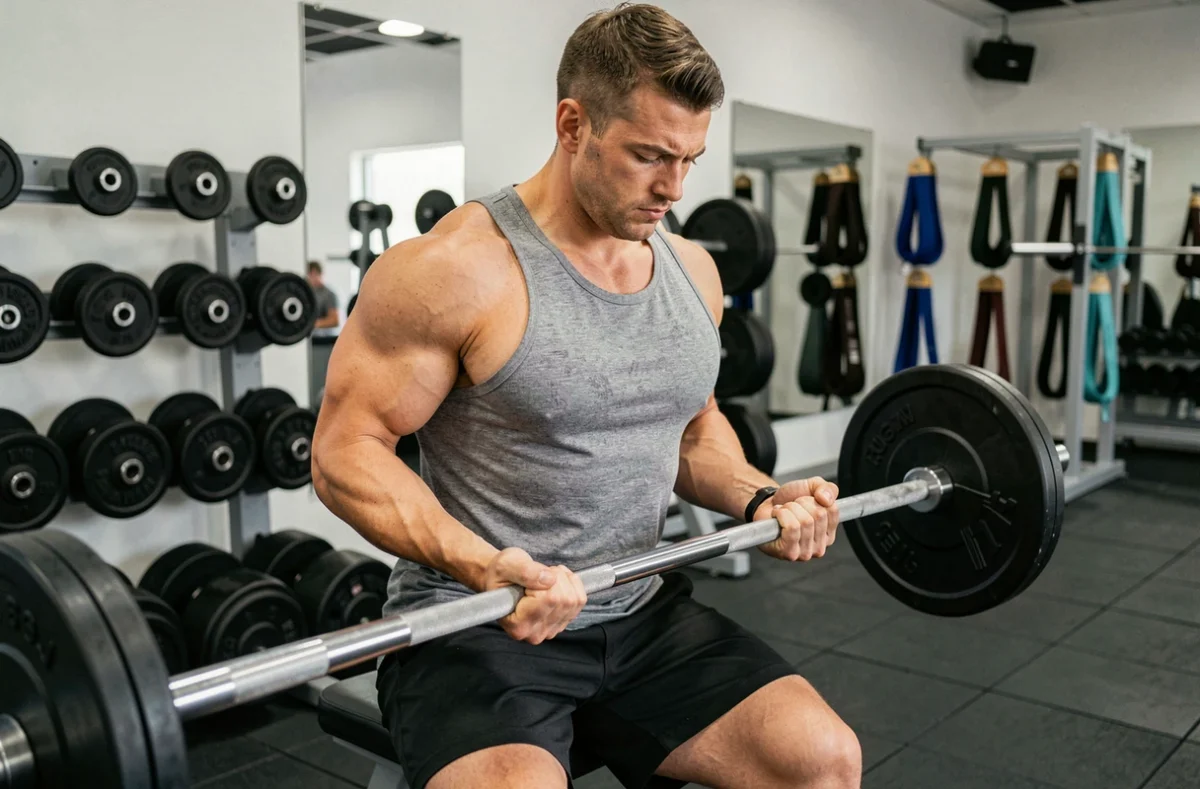
Compression clothing does not guarantee better performance. The available literature also does not support a significant reduction in injuries. This finding contradicts the prevailing discourse, but it is based on consolidated data.
The interest in compression lies more in subjective comfort: perceived muscle support, warmth sensation at the beginning of a session, reduction of vibrations during repeated impacts. If you feel a benefit, continue using it. However, investing a significant budget in high-end compression ranges at the expense of good cardio or weight training equipment would be a misallocation of resources.
For recovery, simple accessories (massage roller, elastic bands, lacrosse balls) offer a much better cost-effectiveness ratio than a compressive legging worn after exercise.
Home Weight Training Equipment: Safety and Compliance Criteria
Setting up a weight training space at home is not just about ordering dumbbells and a bench. Compliance and post-purchase follow-up are criteria for choice in their own right. The EN 15312 and EN 16630 standards cover sports equipment in public access and outdoor fitness devices, including safety zones, surfaces, and accessibility.
For home use, we observe that most accidents occur with equipment whose anchoring or wear has never been checked. A squat rack anchored to the ground with inappropriate anchors for the support (drywall, tiles on thin screed) poses a real risk.
Checklist Before Any Purchase of Fixed Equipment
- Maximum load supported by the device, expressed in kilograms and not in vague terms like “intensive use”
- Type of anchoring required and compatibility with your floor (concrete slab, floating parquet, soft covering)
- Availability of spare parts (cables, foams, pins) from the manufacturer
- Presence of a maintenance log or recommended periodic inspection schedule
In France, non-compliant equipment must be rendered inaccessible until it is made safe. This principle also applies to a home gym: a frayed cable on a high pulley should be replaced immediately, not “at the next purchase.”
Reuse and Second-Hand Equipment: The AGEC Law Changes the Game
The AGEC law encourages reuse and the purchase of second-hand sports equipment. This regulatory direction opens up concrete opportunities: a stationary bike, a rowing machine, or second-hand kettlebells in good condition work just like new, provided the structural condition is verified.
Reuse must remain subordinate to safety. A cardio device with a chassis showing signs of corrosion or with squeaky bearings is not worth the savings made. We recommend systematically checking welds, rotation axes, and overall stability before purchasing second-hand weight or fitness equipment.
Accessories to Buy New Rather Than Second-Hand
- Running or gym shoes: the midsole loses its cushioning properties with use, even if the exterior looks fine
- Suspension straps and resistance bands: material aging is not always visible, and a break under load poses an injury risk
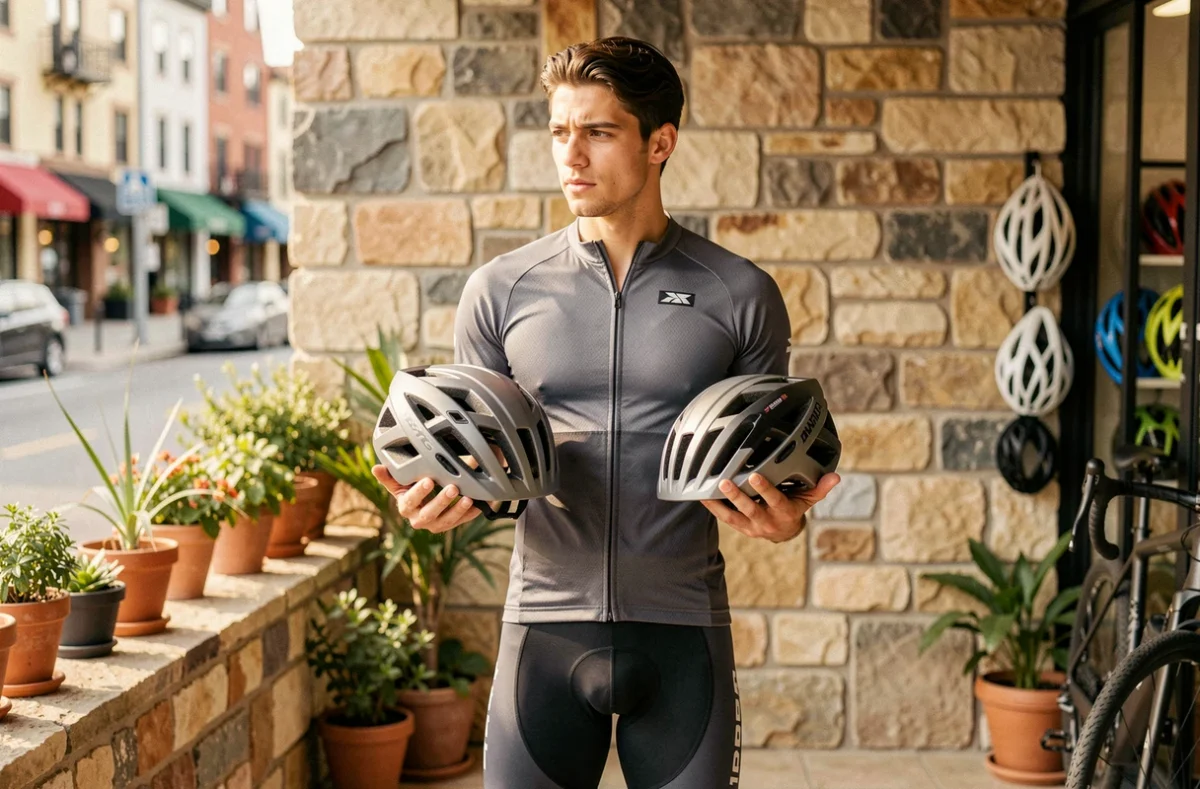
- Helmets (bike, climbing, combat sports): any impact, even minor, compromises the absorption capacity and is not visually detectable
Differentiating what can be reused from what should be bought new allows for optimizing a sports budget without compromising safety. Robust cardio devices (elliptical bike, magnetic resistance rowing machine) handle a second life very well. Accessories in direct contact with the body or subjected to breaking constraints deserve to be purchased new.
Choosing the best sports equipment relies less on catalog price than on the suitability between the equipment, your actual practice, and the conditions of use. A well-thought-out home gym with regularly checked equipment will always outperform a space overloaded with devices that have never been maintained.