
In the digital age, education is undergoing a radical transformation. Schools, faced with the imperative to innovate, are turning to advanced digital tools to improve pedagogical and administrative management. These technologies promise to maximize teachers’ efficiency, enrich students’ learning experiences, and simplify communication among all stakeholders. From real-time performance tracking to interactive learning platforms, digitalization offers a range of possibilities to rethink educational organization for both teachers and learners, while preparing schools to meet the challenges of tomorrow.
Digital Tools in Service of Educational Performance
With the aim of optimizing education management, digital tools are becoming essential vectors of educational performance. The Digital Work Environment (ENT), an integrated set of digital services, facilitates daily interaction between students, parents, teachers, and administrative staff. Connected from any internet-enabled device, they benefit from simplified and secure access to educational resources, school life, and communication channels. Scolinfo, for example, fits into this dynamic, offering a rich dashboard for academic tracking.
The deployment of digital equipment in schools and colleges, driven by the Future Investment Program (PIA2), is a significant development. These investments promote the acquisition of mobile devices and mobile classrooms, enabling educational institutions to equip themselves with tools that meet contemporary challenges. The Digital Innovation and Educational Excellence (INEE) initiative illustrates this ambition to equip learning environments with the best devices.
At the same time, the diversity and accessibility of digital resources have increased. Portals such as Éduthèque and platforms like ETINCEL and Édu-Up offer a range of digital educational resources tailored to different levels and subjects. These online resource banks are treasures for teachers eager to enrich their teaching and for students seeking innovative learning materials.
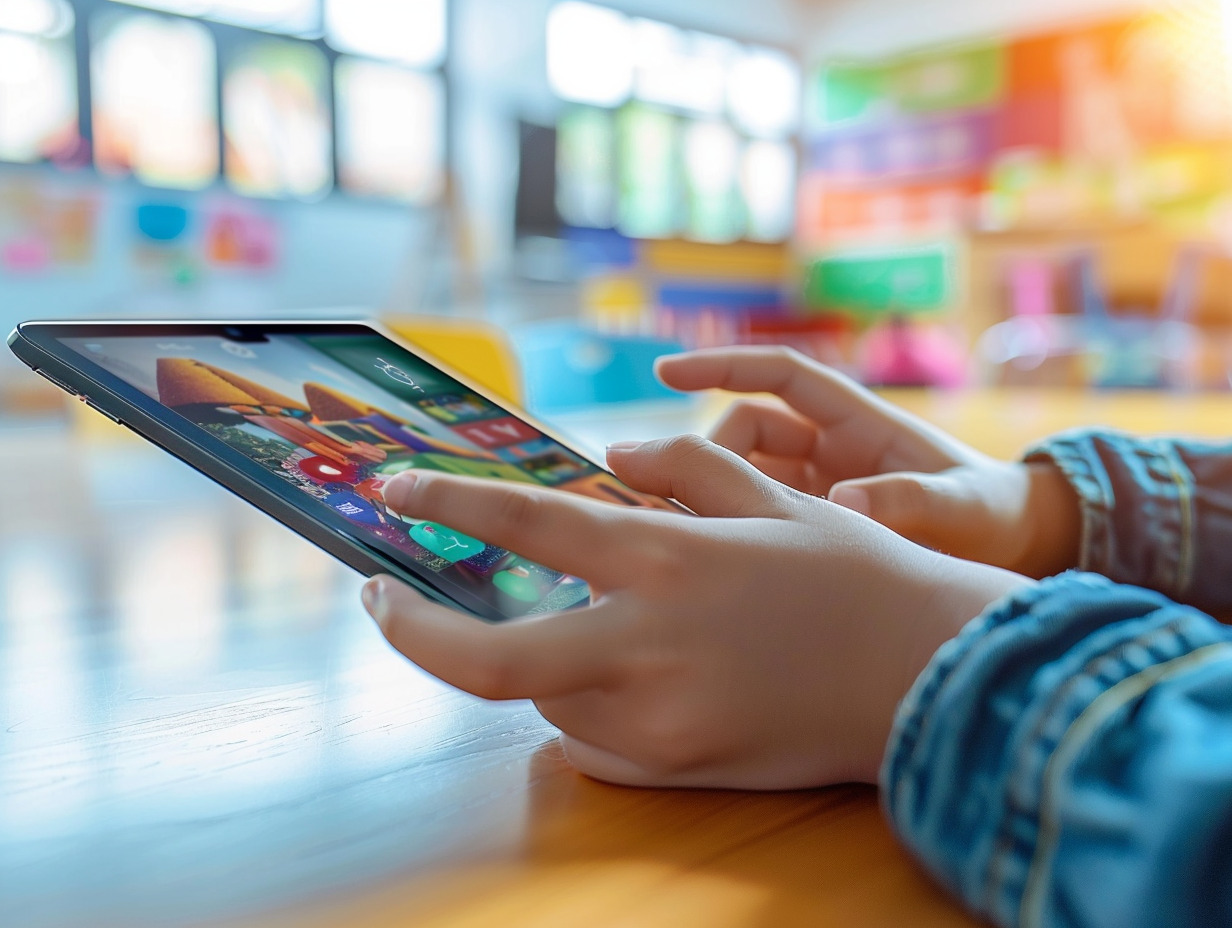
Digital pedagogy, for its part, relies on the judicious use of various tools, such as Kahoot!, ClassDojo, Edmodo, Projeqt, or Padlet, which transform teaching and learning methods. These tools promote an interactive, collaborative, and motivating approach, contributing to better knowledge assimilation and the development of key skills among learners.
Impact and Challenges of Digital Integration in Pedagogical Practices
The advent of digital technology in the educational field is no longer in question. The Digital Work Environments (ENT) are the most visible proof, with deployment reaching 80% in secondary education and gradually expanding to primary education through partnerships between academies and local authorities. However, this integration goes beyond merely providing platforms. It redefines the ways knowledge is transmitted and interactions within the educational community, amplifying collaborative potential and personalizing learning.
At the heart of this transformation are digital skills, which have become central in media and information education programs, as well as in computer science teaching. The reference framework for digital skills (CRCN) and the Pix certification are its standards. These initiatives help train informed citizens capable of navigating the digital ocean with discernment, both for their education and for their future professional integration.
The integration of technology in education is not without challenges. The GEM 2023 report highlights issues related to access, management, and maintenance of digital equipment, as well as the acquisition of necessary skills to fully benefit from it. Teacher training, particularly through the M@gistère program and the C2i2e certification, is essential to ensure thoughtful and effective use of technologies. This duality between opportunities and pitfalls illustrates the transformative potential of digital technology while emphasizing the need for an inclusive and equitable approach to avoid the digital divide.