In modern agriculture, optimizing crop irrigation is a major concern for potato producers. With the challenges posed by climate change and the need to conserve water resources, finding effective methods to irrigate these plants is fundamental. Adequate irrigation can significantly influence the productivity of potato fields, affecting the size, quality, and yield of the tubers. Farmers are therefore seeking practical advice to improve their irrigation systems, reduce water consumption, and maximize the profitability of their crops.
Irrigation Strategies to Maximize Potato Yield
Learn how to properly water potatoes for better yield is an essential strategy for producers. The **growth** of tubers largely depends on a controlled water supply tailored to the plant’s development stage. Insufficient or poorly adjusted irrigation can lead to poor development, reduced quality, and ultimately, a negative impact on total production. Focusing on **optimizing the watering** of potatoes is an effective lever to increase **yield**.
The **irrigation** of potatoes should be considered based on the plant’s **absorption capacity** and the soil’s **water retention**. Sprinkler or drip irrigation systems are preferred for uniform water distribution. Soil moisture should be monitored, and the watering frequency adjusted accordingly. Soil water tension can be measured using tensiometers, allowing for precise determination of when to irrigate to maintain the optimal moisture essential for potato **cultivation**.
There is no shortage of practical advice to refine watering techniques. The **amount of water** provided should match the actual needs of the plant without excess, to avoid waste and water saturation, which can be detrimental to the crop. Considering naturally available **rainwater** can help conserve this resource. Intelligent irrigation management, combined with a thorough understanding of potato water needs, will achieve optimal production levels while preserving this valuable resource.
Practical Tips for Effective Potato Crop Irrigation
To successfully water potato crops, the **amount of water** supplied is crucial. Provide enough water to enable good photosynthesis and promote uniform tuber growth. However, keep in mind that any excess can lead to soil saturation problems and fungal diseases. Adjust watering volumes according to the **specific needs** of the crop, which vary depending on the development stage, potato variety, and climatic conditions.
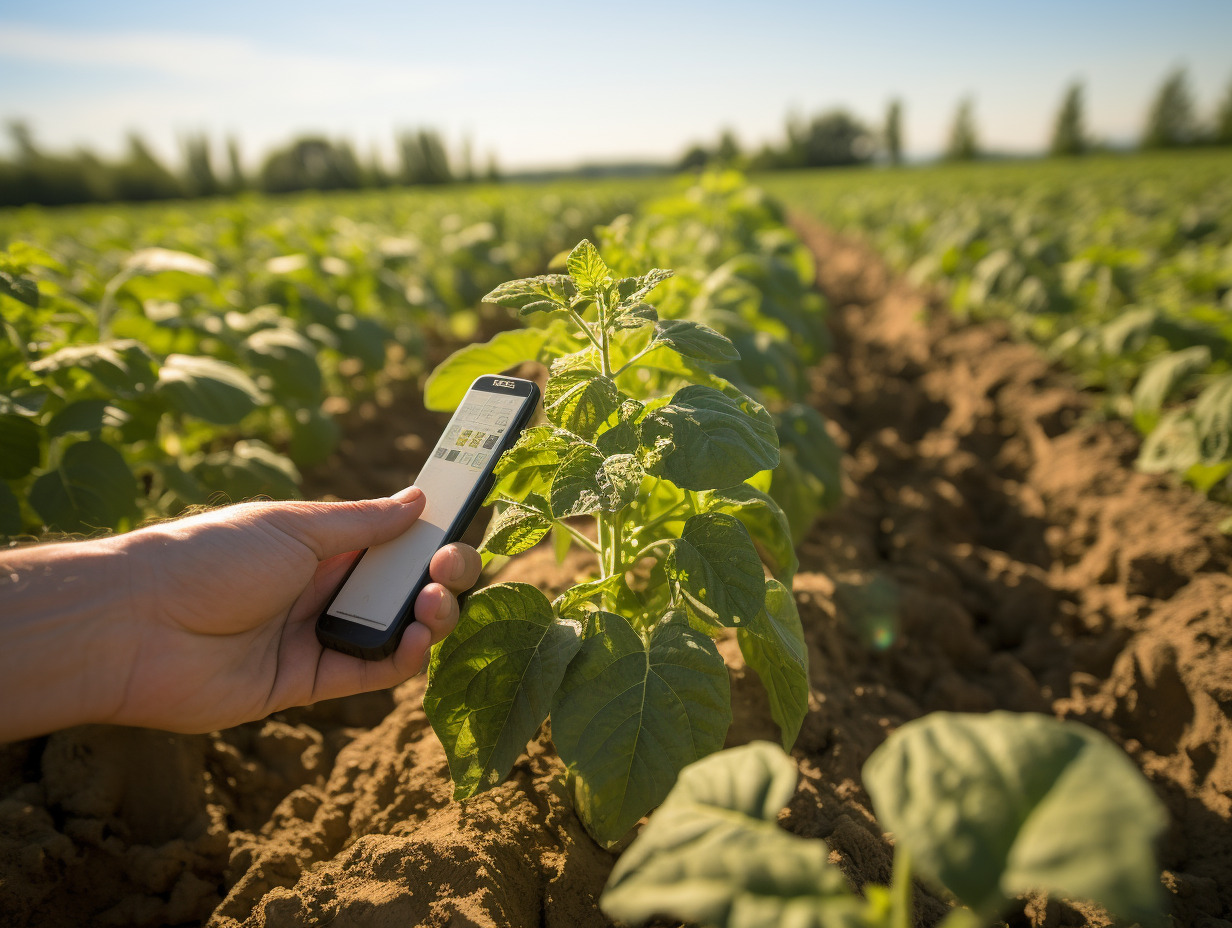
The **watering frequency** should adapt to changing climate conditions and the soil’s ability to retain moisture. Avoid shallow and frequent watering that encourages shallow root development and increases evaporation risk. Favor less frequent but deeper watering to encourage roots to extend deeper and reduce evaporation. Monitoring **soil moisture** is essential: instruments like moisture probes or tensiometers can help determine the best time to water.
Considering **rainwater** is both an ecological and economical gesture. Collect and use this natural resource whenever possible. It represents soft and naturally balanced water, particularly beneficial for plants. To save water, install rainwater harvesting systems and integrate them into your irrigation practices. Along with good watering management, this strategy contributes to a more sustainable use of water, a valuable and sometimes limited resource in certain regions.