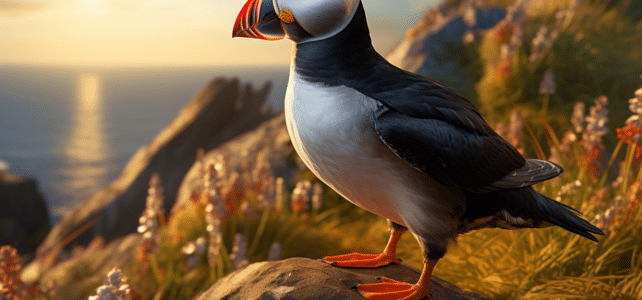
Brittany, with its rugged coastline and invigorating waters, is a treasure trove of rich and often overlooked marine biodiversity. With the ebb and flow of the tides, the coastal fauna of Brittany reveals its secrets: from crustaceans to seaweed, and even cetaceans that sometimes brush against its shores. Between the rocks battered by the waves and the fine sandy beaches, endemic species and seasonal visitors coexist in a little-known natural ballet. Behind this postcard lies a wild and complex world that only reveals its mysteries to those who take the time to observe it attentively.
Exploration of Brittany’s Marine Biodiversity: Between Common Species and Surprising Discoveries
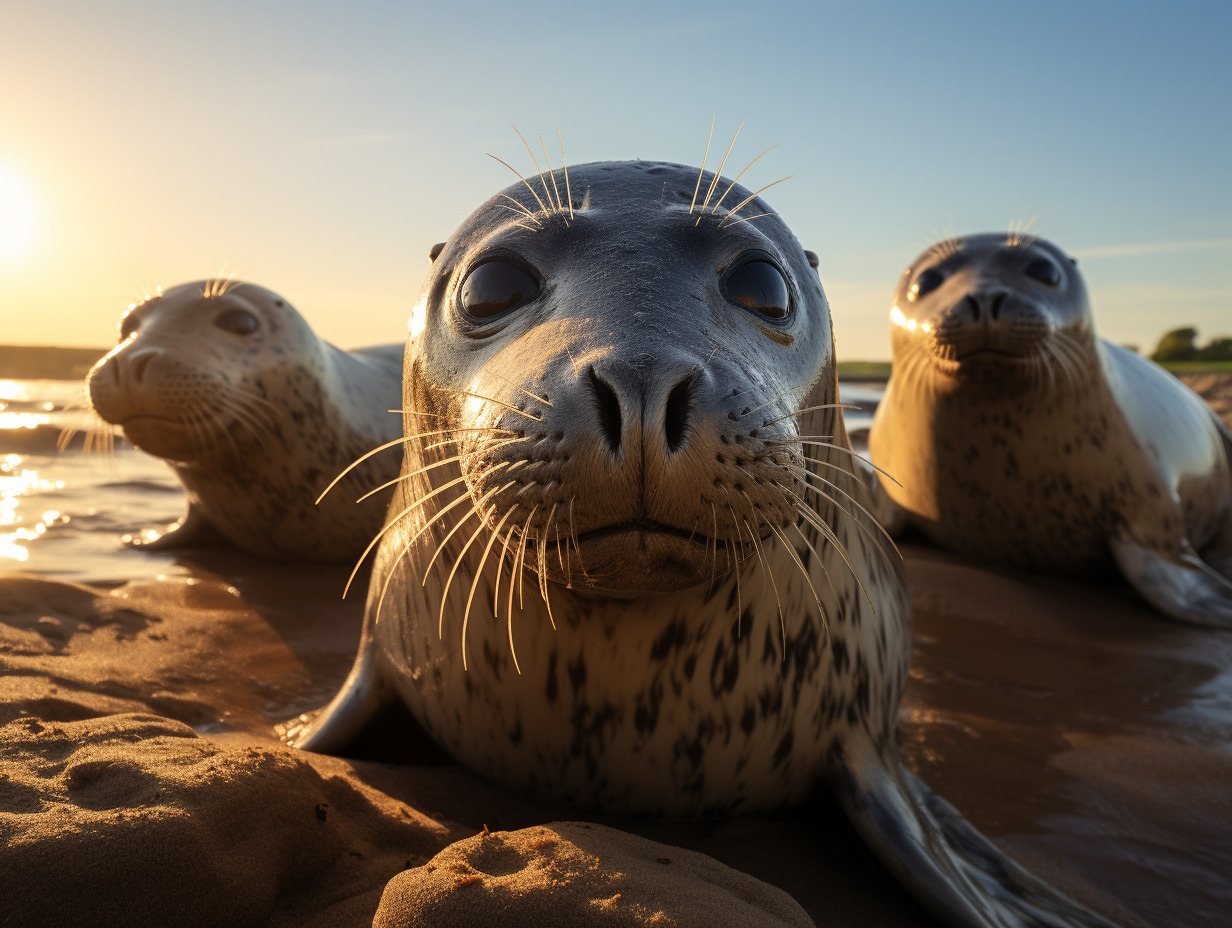
The Breton shores, with their shades of blue and green, offer naturalists an exceptional playground. As one walks along the seaside paths, the fauna unfolds in a striking diversity. Marine mammals, such as the grey seal, share their habitat with seabirds, some of which, like the razorbill, are familiar guests of the coasts. These latter, discreet yet present, raise questions with their very name: What do the puffins hide in their inaccessible daily lives?
The nature reserves, scattered along the Breton coastline, are sanctuaries where fauna and flora coexist. Carefully managed by organizations such as Bretagne Vivante, they help preserve vulnerable species and provide a refuge away from human disturbances. These protected areas are essential for the study and conservation of Brittany’s marine ecosystem, while also raising public awareness of the importance of nature in Brittany.
The fauna of Brittany, rich and varied, is a true treasure for nature lovers and scientists alike. The region, known for its outdoor activities, is home to marine creatures that require special attention for their study and protection. The Breton glaz nature, a local term for the blue-green color of the sea, serves as the daily backdrop for these species that thrive in a fragile balance.
The commitment of local actors to the preservation of this unique ecosystem is fundamental. Organizations like the Bretagne Vivante Association play a leading role in managing nature reserves and disseminating knowledge about the marine environment. Their efforts ensure the sustainability of Brittany’s marine biodiversity, a true natural heritage to protect and promote.
The Secret Life of Brittany’s Terrestrial Species: Adaptation and Preservation
Beyond the richness of the seabed, the terrestrial fauna of Brittany holds treasures of adaptation and resilience. In the dunes, heathlands, and forests, species like the Glénan daffodil or the viviparous sea holly display their splendor, often unnoticed. The flora of Brittany, as diverse as it is unique, reflects a constant adaptation to climatic conditions and the specificities of the Breton landscapes. Naturalists and enthusiasts find a practical guide for their explorations, much like Emmanuel Holder, who has dedicated numerous studies to it.
The commune of Landéda, with the Abers archipelago and the dunes of Sainte Marguerite, is a striking example of this harmony between natural environments and the wildlife that thrives there. These landscapes, where wind and waves have sculpted the coastline, have become prime observation spots for those who can discern the biological richness. At the Pointe du Raz, monitored by Erwan Stricot, in charge of the Natura 2000 mission, biodiversity is subject to meticulous monitoring, ensuring sustainable and respectful management of endemic species.
The Île-aux-Moines, nestled in the Gulf of Morbihan, combines natural and cultural heritage with rare elegance. Here, conservation initiatives are multiplying, aiming to protect an ecosystem where each species plays a key role. The awareness of the need to preserve this unique natural heritage is palpable, both among residents and visitors, who are invited to discover these wonders with respect and awe.