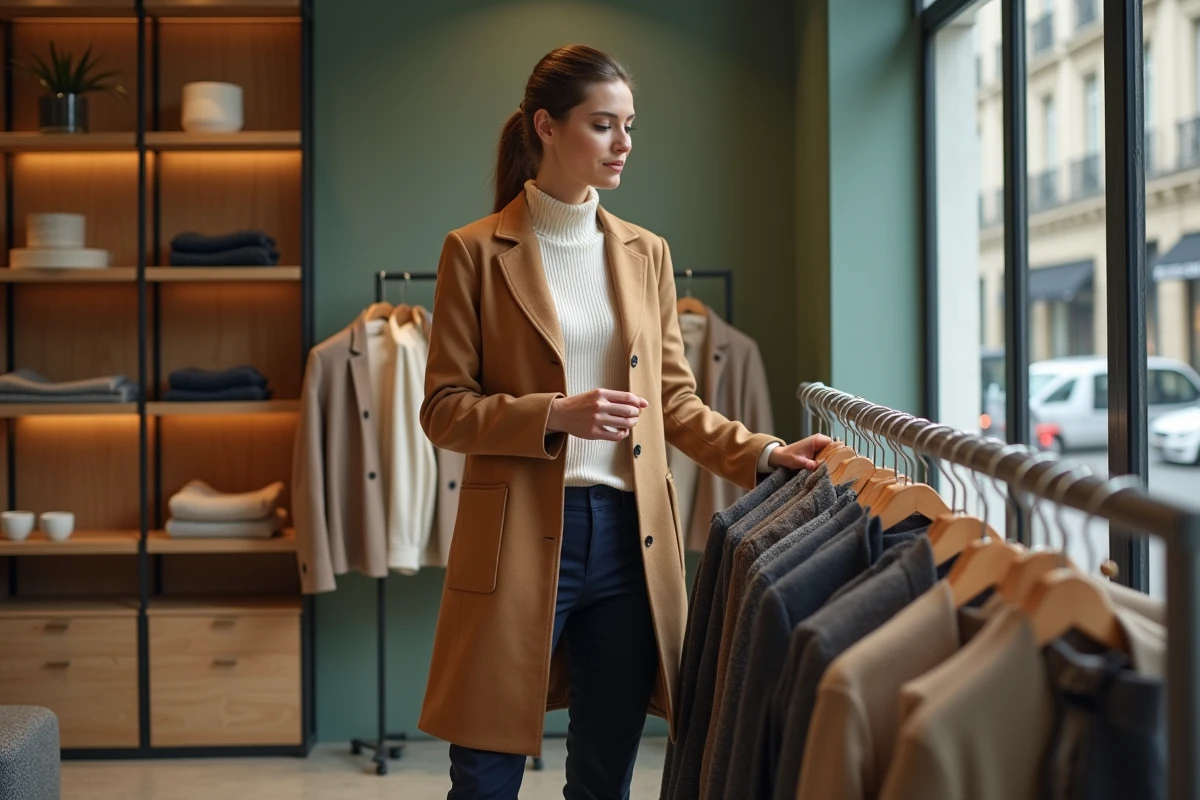
Finding a satin dress for a wedding in June, then not knowing what to do with it for the rest of the summer: this is the kind of situation that prompts a rethink of how to compose a seasonal look. The spring-summer 2026 fashion trends reflect this shift. We move from showcase pieces worn once to strong yet reusable clothing, with materials, cuts, and colors that lend themselves to multiple contexts.
Clothing rental and statement pieces: the reflex that changes seasonal looks
For a long time, we bought a reliable basic for each season. This reflex is gradually reversing. According to the report “New Economic Models of Fashion” published by ADEME and Lizee in November 2025, French rental platforms are seeing a marked increase in bookings for very trendy pieces: cut-out dresses, colorful satin sets, designer bags.
The mechanism is simple. We rent the statement piece, we buy the lasting basic. Traditional retail purchases are increasingly focused on neutral, reusable clothing from one season to the next. This sharing significantly alters outfit composition: we dare more with colors and bold cuts when we are not committing to a permanent purchase.
To keep track of these developments over the months, the fashion section of Veridictus regularly details the pieces that deserve investment and those that are better suited for occasional use.
Polka dots and satin cargo patterns: what the runway translates on the ground
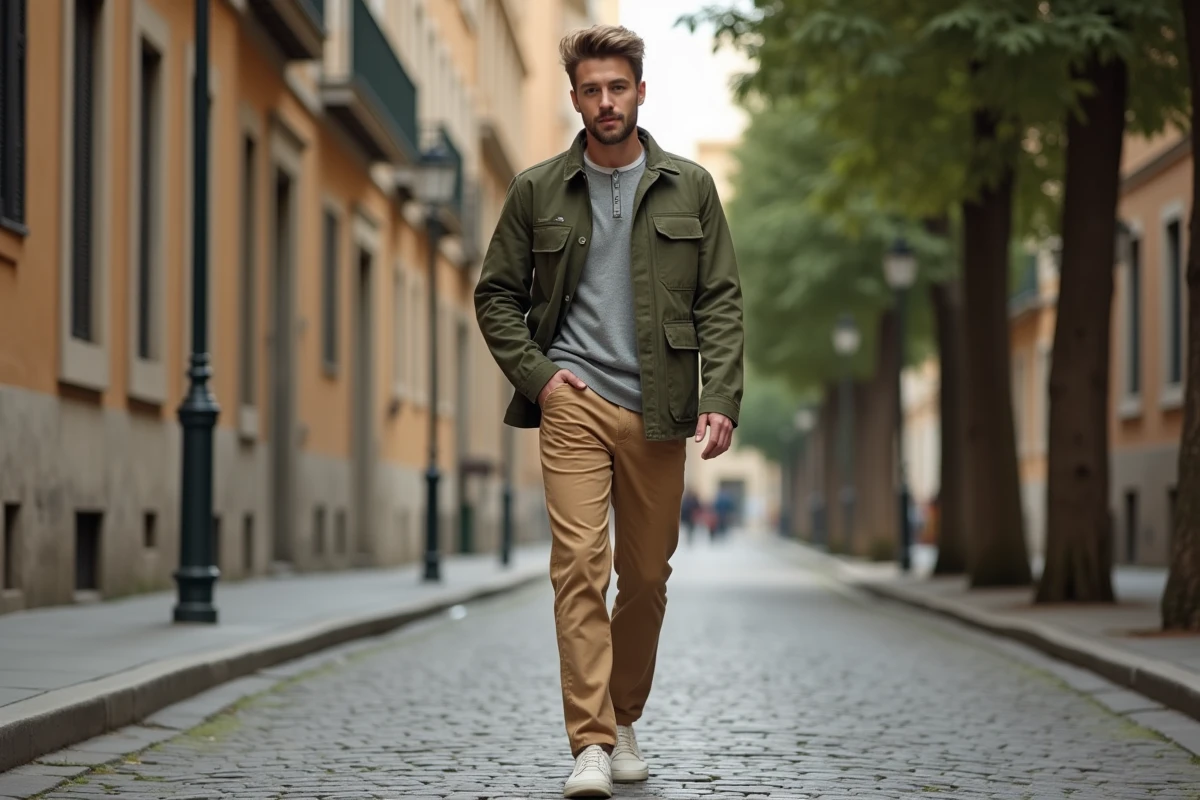
The spring-summer 2026 runways showcased two clear directions regarding patterns. On one side, the massive return of polka dots, spotted on numerous runways and reported by the specialized press. On the other, hybrid pieces like the satin cargo skirt, a crossover between utilitarian and refined that Heuritech identifies among the micro-trends born on TikTok before reaching mid-market collections.
How to wear polka dots without falling into retro
The polka dot works best as a standout piece in an outfit. A polka dot dress with solid accessories, or a polka dot blouse tucked into raw jeans: the pattern stands on its own. Multiplying prints in the same look creates a costume effect that is difficult to master daily.
A dark background (navy, black, brown) remains the most versatile. Polka dots on a light background work better in a relaxed summer context, less so at the office.
The satin cargo skirt: a specific use case
This piece illustrates the “coquette grunge” trend identified by Heuritech in its Fashion Trends Report Spring-Summer 2026. Its appeal lies in the contrast: the cargo cut provides structure, while the satin adds fluidity. It is worn with a simple white t-shirt or a ribbed tank top to avoid overwhelming the silhouette.
Feedback varies on this point: some body types find that the satin cargo emphasizes the hips too much. Trying it on in-store is preferable to an online purchase for this particular cut.
Trending colors for summer 2026: brown and saturated shades
Brown emerges as the unexpected color of the warm season. Traditionally associated with autumn, it appears on summer silhouettes in chocolate, caramel, or terracotta versions, often paired with lightweight materials like linen.
Saturated shades (emerald green, cobalt blue, butter yellow) dominate statement pieces. They can be found on colorful short jackets, midi dresses, and wide trousers. The idea is not to wear these colors from head to toe, but to make them the focal point of an otherwise neutral outfit.
- Butter yellow is easily worn on top (shirt, blouse) with beige or white bottoms for a soft contrast without visual aggression.
- Emerald green works particularly well in a dress or wide pants, paired with black or brown accessories.
- Cobalt blue gains impact on a short jacket worn open over a solid t-shirt, a style that works well both day and night.
Preferred cuts and materials: barrel jeans, linen, and controlled volumes
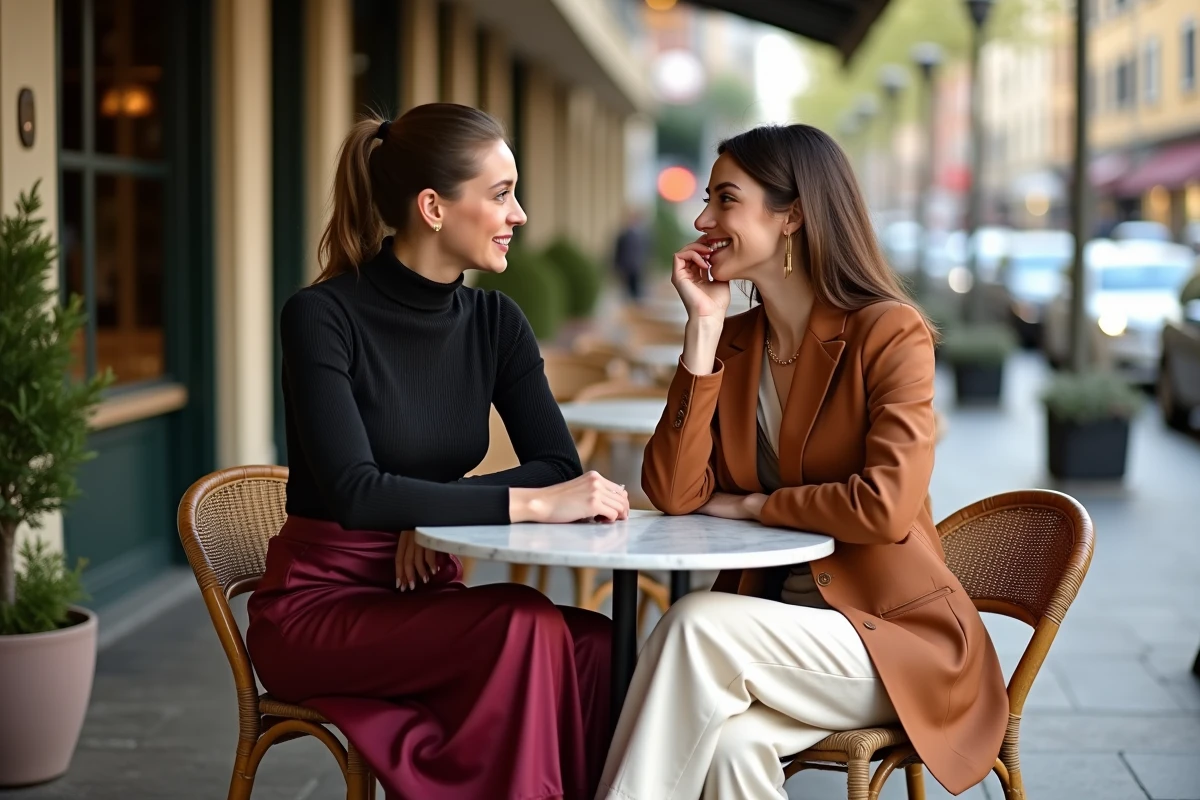
Barrel jeans (rounded cut at the thigh, tapered at the ankle) are establishing themselves as the alternative to classic straight jeans. Their silhouette creates volume without the baggy effect that can sometimes be difficult to balance. They are worn with flat shoes or low-heeled sandals to maintain a fluid line.
Linen remains the go-to material for the warm months. Its breathability and natural drape make it a logical choice, but it requires accepting wrinkles. Ironing a linen shirt every hour makes no sense: you either embrace the crumpled look or opt for a more stable linen-cotton blend.
Building a reusable seasonal look
The most effective logic for composing a seasonal wardrobe can be summarized in a few concrete guidelines:
- A barrel jean or wide beige pants as a neutral base, wearable several times a week.
- Two or three tops in saturated colors (butter yellow, emerald green, cobalt blue) that rotate with this bottom.
- A rented or second-hand statement piece for occasions (satin dress, cut-out set, designer jacket).
- Black or brown accessories that unify the whole without creating style conflict.
This approach avoids the classic trap of the seasonal wardrobe: buying eight trendy pieces worn twice each. Three well-chosen pieces cover more outfits than ten impulsive purchases.
The gradual implementation of European regulatory constraints on fast fashion is also prompting several brands to integrate sustainability directly into their seasonal offerings. There are increasingly more capsule collections made from recycled or organic materials, including among mid-market brands. Seasonal style and garment longevity no longer oppose each other; they converge towards the same pieces.