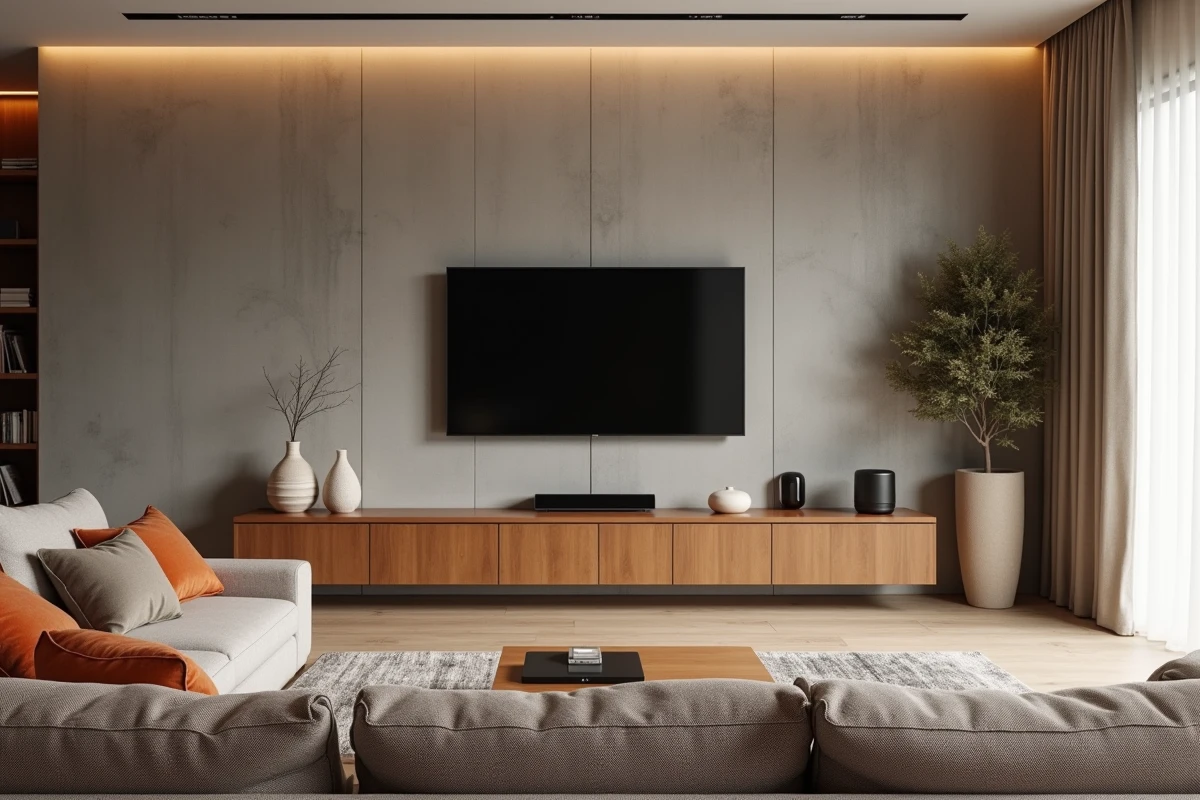
A comfortable home relies less on decoration and more on the choice of its equipment. Lighting, multifunctional furniture, energy management, or storage solutions adapted to current lifestyles: each room can be reimagined through installations that sustainably change the daily use of a home. Understanding what the concept of home equipment entails allows for more targeted choices than a simple aesthetic refresh.
Lighting and fixtures: the equipment that transforms a room without renovation
Lighting remains the most underestimated lever in a design project. Changing a ceiling light, adding a visually striking pendant, or installing dimmers radically alters the atmosphere of a room, without touching the walls or the floor.
Three parameters determine the success of an interior lighting plan:
- The color temperature, expressed in kelvins: a warm white for rest areas, a neutral white for the kitchen or office.
- The layering of sources: a main light complemented by accent lighting (reading lamps, recessed LED strips) avoids shadowy areas and tiring contrasts.
- The choice of decorative fixtures with strong personality, which serve as focal points in a room and often replace a painting or a piece of art.
A well-chosen fixture acts as a visual signature. It is often the first element noticed upon entering a room, and paradoxically one of the least expensive to replace. Among the equipment offered at Salon Tendances Habitat, interior lighting solutions are prominently featured for this reason.
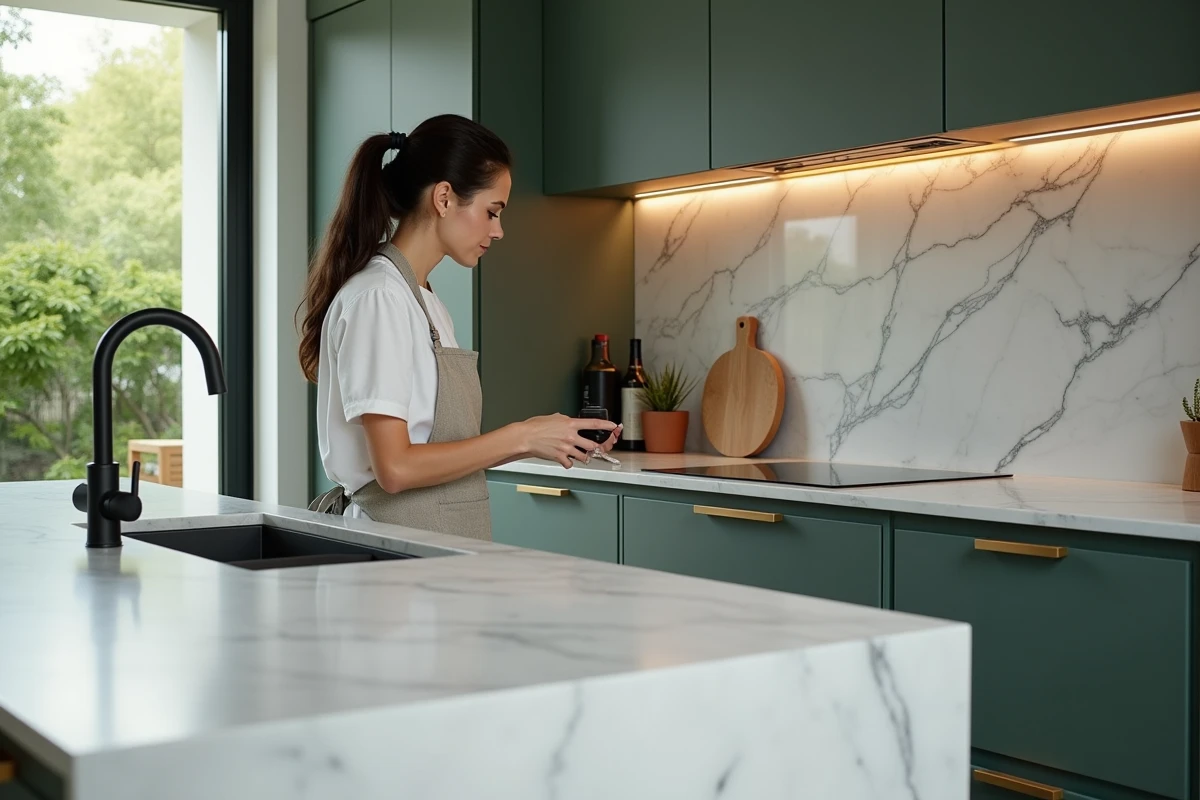
Multifunctional furniture and optimized storage for small spaces
The reduction of living space in recent homes has made multifunctional furniture a true purchasing criterion. A convertible sofa with an integrated storage compartment, an extendable table, or a foldable desk are no longer just gadgets: they determine the practicality of an apartment.
Optimized storage follows the same logic. Custom closets, modular shelves, and vertical storage systems exploit every nook without visually cluttering the space. The demand for these compact solutions has significantly increased, driven by hybrid homes where the same room serves as a living room, office, and sometimes a guest bedroom.
Selection criteria for durable multifunctional furniture
The classic pitfall is prioritizing the ingenuity of the mechanism at the expense of sturdiness. A foldable bed used daily puts much more strain on its hinges and pistons than an occasional model. Checking the quality of the hardware, the density of the integrated mattress, and the manufacturer’s warranty prevents disappointments after a few months.
Durable and easy-to-maintain materials serve as a second filter. Solid wood or quality plywood withstand opening and closing cycles better than low-grade particle boards, even if the entry price is higher.
Connected devices for home energy management
The smart thermostat is the most accessible equipment to improve thermal comfort while reducing consumption. Controlled remotely from a smartphone, it allows for adjusting heating room by room, programming time slots, and monitoring consumption in real-time.
Connected lighting complements this system. Remotely controllable bulbs, combined with presence detectors, eliminate waste in unoccupied rooms. These devices generally operate on wireless protocols (Wi-Fi, Zigbee) and integrate into larger home automation ecosystems.
What distinguishes a useful connected device from a gadget
A simple criterion: does the device solve a problem you encounter every week? A smart thermostat in a poorly insulated home with variable schedules provides real benefits. A connected plug to turn on a lamp from the couch is marginal comfort.
Compatibility between devices also deserves attention. Mixing three different protocols without a common gateway creates more frustration than comfort. Choosing a coherent ecosystem from the start simplifies usage and maintenance.
Home office setup: integrating a workspace without sacrificing the living room
Remote work has permanently changed the use of living spaces. The challenge is no longer to install a desk in a corner, but to create a discreet and ergonomic workspace that visually disappears outside of working hours.
The most effective solutions combine a foldable tabletop fixed to the wall, independent office lighting separate from the main ceiling light, and closed storage to hide screens, cables, and documents. The goal is to visually separate the professional space from the personal space, even in a studio.
The choice of seating is as important as that of the desk. An ergonomic chair used for several hours a day protects the back and neck. Compact models on wheels, designed for small spaces, slide under the tabletop once the day is done.
Ultimately, setting up a functional remote work corner relies on three decisions: the location (near a source of natural light), the foldable furniture suited to the available space, and the visual separation from the rest of the room, even if symbolic (partition, curtain, change of flooring).
Enhancing a home is less about accumulating decorative objects than about choosing equipment that meets specific needs. A well-thought-out lighting plan, furniture suited to the actual space, controlled energy management, and an integrated workspace transform a home more profoundly than a change of paint. The best-invested budget is the one that improves daily life for several years, not one that follows a seasonal trend.